
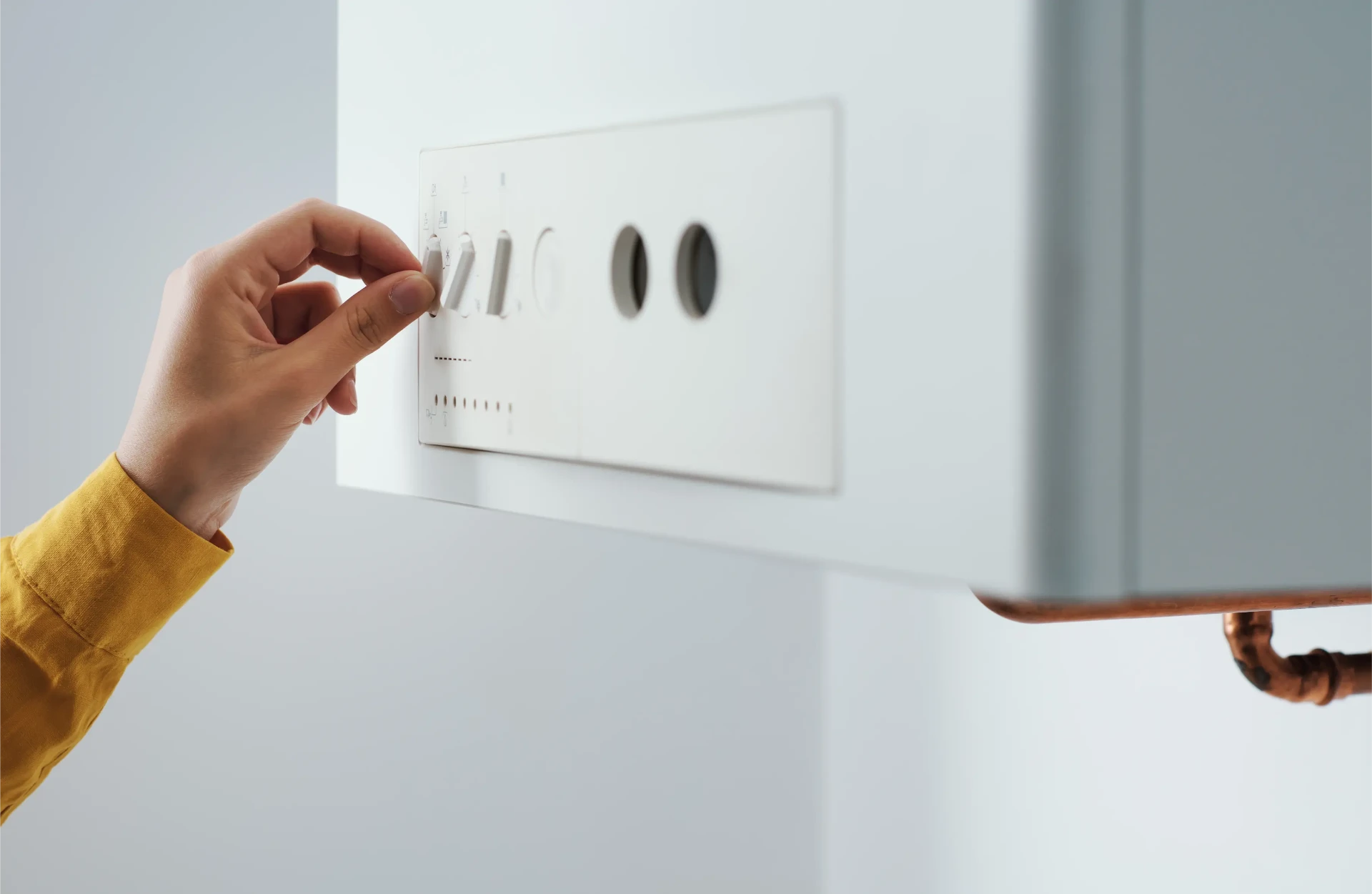
Vaillant describes F22 as no or insufficient water in the product, or water pressure that is too low. The appliance stops because operating without sufficient water is not appropriate. That description identifies the condition being reported, not automatically the part that has failed. If your Newcastle boiler shows F22 or F.22, record the code and the model before changing settings. The display and the visible gauge are useful observations; dismantling the boiler is not a homeowner check.
Causes listed by Vaillant
The manufacturer's F22 explanation lists insufficient water, faults involving the water-pressure sensor or its electrical connections, interrupted pump operation and an internal expansion-vessel fault. It also identifies an automatic-filling solenoid fault where that equipment is present. These are possible causes for professional investigation, not instructions to replace a sensor or open a pump. Your exact model and installation determine which items are relevant.
Safe observations at home
When the system is cold, read the pressure on the normal display or accessible gauge and compare it with the operating range in the correct user manual. Note whether the value is very low, appears normal or changes unexpectedly. Look for visible water around accessible radiator valves and underneath the boiler without loosening anything. Mention recent radiator bleeding or plumbing work, because the timing can help the engineer understand why the warning appeared.
Do not assume every Vaillant has the same filling arrangement or target pressure. If the user manual describes a routine refill and you already understand the identified controls, follow that appliance-specific guidance. Otherwise ask for assistance. Vaillant's public F22 advice recommends professional help with rectifying the fault. This guide does not give a universal valve-turning sequence, recommend an unfamiliar top-up or suggest repeatedly resetting a boiler that continues reporting insufficient water.
Which checks belong to the engineer?
Pressure-sensor testing, cable inspection, pump checks and assessment of the expansion vessel require a qualified engineer. A gauge that looks normal alongside F22 is especially a reason not to keep adding water to chase the code. The engineer needs to establish whether the appliance has enough water and whether the reading is trustworthy. Replacing a part solely because its name appears on a fault list can leave the original problem unresolved.
If F22 comes back
Keep a brief record of what happened before each warning, rather than clearing it immediately. A photo of the display and gauge can preserve useful information. If somebody else previously worked on the heating, have that report available too. These observations do not fix F22, but they help explain its history without asking you to carry out internal tests.
Frequent loss of pressure should not become a weekly filling habit. Note how long the reading takes to fall and whether there are visible leaks. Our Vaillant boiler repair service can investigate the warning and discuss a sensible repair. The related pressure-loss guide explains the wider symptoms, but it does not replace a diagnosis for your individual appliance.
Booking a Newcastle Vaillant visit
£85 covers call out, diagnosis and the first hour of labour, not every possible repair. Parts and further labour are agreed before work goes ahead. Check the repair charges and send the F22 code and pressure reading. We handle existing gas boiler repairs Monday to Saturday, 8:00am to 7:00pm, and do not provide new boiler installations or a 24 hour service.
Stop ordinary fault checks if you smell gas or a carbon monoxide alarm sounds. Leave the home, call 0800 111 999 from outside and obtain urgent medical help for anyone who feels unwell. Never open the casing to investigate F22.
Written by the engineers at Newcastle Boiler Maintenance Ltd, Gas Safe registered heating engineers in Newcastle upon Tyne.